
Human cilia study offers clues to childhood diseases
A new study reveals insights into the "antennae" - or primary cilia - that human cells use for signal processing. This atlas of human cilia may contribute to a better understanding of a range of genetic disorders.
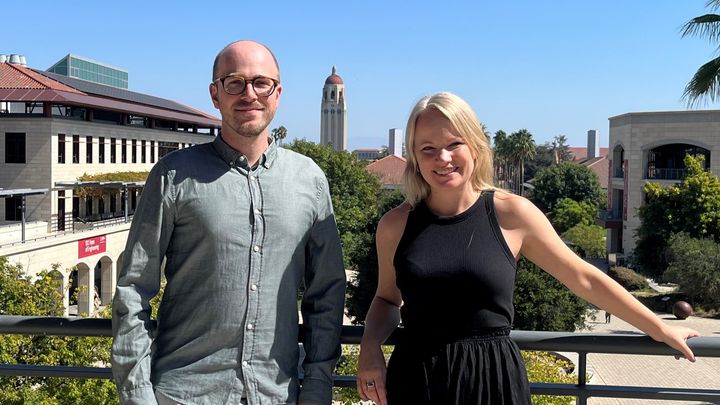
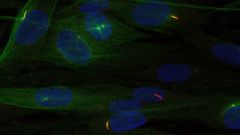
Attached to nearly every human cell is an antenna-like structure known as the primary cilium, which senses the cell’s environment and controls how it responds to signals from its surroundings. New research from the U.S. and Sweden has mapped and identified hundreds of proteins that comprise these structures, contributing new insights for future research into ciliary biology, disease mechanisms and potential therapies.
Publishing in the journal, Cell, researchers from KTH Royal Institute of Technology and Stanford University used advanced imaging and antibody-based techniques to map proteins inside primary cilia across three types of human cells. They analyzed more than 128,000 individual cilia and identified 715 proteins that are located in different parts of the cilium responsible for sensing mechanical or chemical signals, such as hormones. These primary cilia are distinct from motile cilia, which are responsible for movement of fluids or cells.
Professor Emma Lundberg, a researcher in cellular and clinical proteomics at KTH Royal Institute of Technology, says the study also identified a possible gene behind various disorders linked to malfunctions of the cilium. These can lead to disorders affecting many parts of the body, from the brain and eyes to the kidneys and bones.
In addition, the researchers discovered 91 proteins that had never before been linked to cilia.
The study expands the current understanding of cilia, casting then as highly adaptable and versatile processors of information, which tune their protein composition to suit the needs of the cell they belong to.
“Cells seem to customize the protein composition of their cilia to have them perform specific sensing tasks,” she says. “These newly-discovered ciliary proteins inspire many new hypotheses about cilia.”
With clinicians from Karolinska Institute in Stockholm, the team explored the clinical relevance of their findings by comparing their protein list with genetic data from patients with undiagnosed syndromes. In doing so, they found a gene variant, CREB3, in a child with symptoms resembling ciliopathies.
The study’s lead author, Jan Hansen, a researcher with the lab Lundberg leads at Stanford, says this discovery opens the door to identifying new disease-causing genes and better understanding of rare disorders.
It may also lead to improved accuracy in diagnosing ciliopathies, a class of genetic disorders where a diseased gene leads to cilia dysfunction.
“Patients present with diverse symptoms, such as six fingers per hand, mental deficits, blindness, or kidney defects.” Hansen says. But linking rare diseases to cilia has been limited because of the difficulty in studying the cilia protein makeup. “Our spatial atlas of cilia proteins can contribute towards a better understanding and diagnosis of rare ciliopathy disorders, in which patients present with very diverse symptoms.”
The data from the study is publicly available through the Human Protein Atlas, an open resource for scientists and clinicians worldwide. “I’m a strong believer in open science, and we’re proud to share these results openly to the research community,” Lundberg says.
Contacts
Emma LundbergProfessor, KTH Royal Institute of Technology
emmalu@stanford.eduImages
Subscribe to releases from KTH Royal Institute of Technology
Subscribe to all the latest releases from KTH Royal Institute of Technology by registering your e-mail address below. You can unsubscribe at any time.
Latest releases from KTH Royal Institute of Technology
Alternative to BPA passes toxicity and sustainability standards set by EU innovation guidelines4.12.2025 11:07:37 CET | Press Release
Polyester and a host of other plastic products could potentially be manufactured with non-toxic and sustainable BPA alternatives identified in a multidisciplinary study published today by researchers in Sweden.
Study shows potential for more affordable and efficient hydrogen gas production3.12.2025 15:29:35 CET | Press Release
A recent advance in the science of hydrogen fuel production could enable higher output and more sustainable production of this renewable energy source, researchers with Stockholm’s KTH Royal Institute of Technology report.
Calcium-sensitive switch designed to boost efficacy of cancer drugs24.11.2025 21:11:53 CET | Press Release
Cancer-fighting antibody drugs are designed to penetrate tumor cells and release a lethal payload deep within, but too often they don’t make it that far. A new study shows how this Trojan Horse strategy works better by exploiting calcium differences outside and inside cells.
Potential treatment may prevent brain damage in premature babies11.11.2025 11:10:46 CET | Press Release
A treatment that could protect premature babies from brain damage showed promise in a recent study in Sweden. Using a first-of-its-kind prenatal brain model created with human cells, researchers observed new details about the effects of cerebral hemorrhages on stem cells during premature birth. And they successfully tested an antidote that reduced the damage.
Heart ‘blueprint’ reveals origins of defects and insights into fetal development29.10.2025 11:13:11 CET | Press Release
New research has produced a “blueprint” revealing how the human heart is built during prenatal development. It offers insights that could lead to improved prenatal care and new treatments for heart defects, such as holes between heart chambers or deformities of the heart valves.
In our pressroom you can read all our latest releases, find our press contacts, images, documents and other relevant information about us.
Visit our pressroom