
Researchers discover major ecological shift in the Gulf of Bothnia
2.10.2026 10:00:00 CEST | Umeå University | Press Release
For decades, scientists have regarded phosphorus as the main nutrient limiting biological production in the Gulf of Bothnia. Now, a new study led by researchers at Umeå University shows that a fundamental change is underway. The Bothnian Sea has shifted to nitrogen limitation, while the Bothnian Bay is rapidly moving in the same direction.
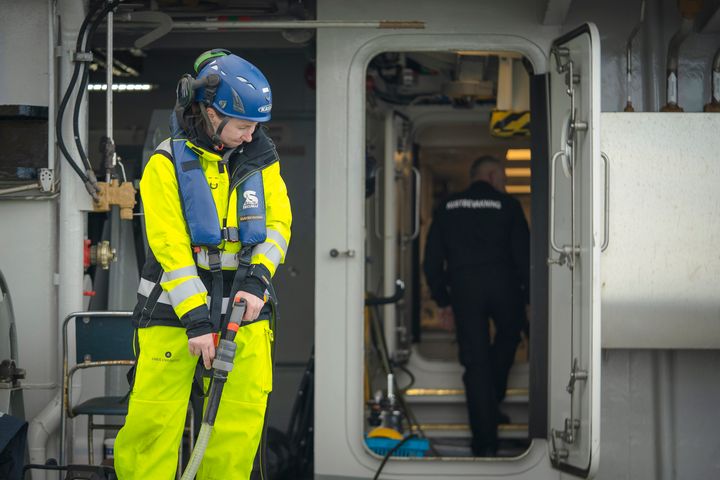
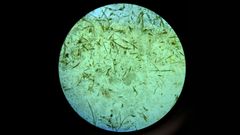
Why does this matter? The balance between nitrogen and phosphorus affects which organisms thrive in the sea and how the ecosystem functions. When waters become increasingly nitrogen-limited, the conditions can favour nitrogen-fixing cyanobacteria, some of which form large blooms during summer.
The findings are based on 30 years of Swedish and Finnish monitoring data and have been published in Scientific Reports. The study provides the first comprehensive assessment of how nutrient balances have changed across the Gulf of Bothnia over time.
Historically, the northern Baltic Sea has been considered largely phosphorus-limited. However, the researchers found that phosphorus concentrations have increased substantially during the past three decades, while nitrogen levels have remained stable or declined. This has altered the balance between the two nutrients and changed which nutrient limits biological production in the sea.
A clear shift in the nutrient balance
“We can see a clear shift in the Bothnian Sea. The nutrient balance that characterised the area a few decades ago no longer exists. This is important because the limiting nutrient influences how the entire ecosystem functions,” says Siv Huseby, researcher at Umeå Marine Sciences Centre and lead author of the study.
The researchers found that the Bothnian Sea transitioned from phosphorus limitation to nitrogen limitation shortly after the turn of the millennium. The Bothnian Bay remains phosphorus-limited, but the same trend is visible there, suggesting that similar changes could occur in the future.
Increasing phosphorus concentrations may also contribute to greater primary production and create conditions that favour nitrogen-fixing cyanobacteria. Such blooms are already increasing in parts of the northern Baltic Sea and are often associated with eutrophication problems, including murkier water, oxygen-poor seabeds and disruptions to marine ecosystems that can affect everything from small organisms to fish populations.
“I was surprised by the clear decline in the DIN:DIP ratio, especially in the Bothnian Bay. If this trend continues, the area could become nitrogen-limited within a few decades. Nitrogen limitation favors filamentous cyanobacteria over other phytoplankton, which can disrupt ecosystems and increase the risk of harmful algal blooms. We are already seeing more of these cyanobacteria in the Bothnian Sea, and they may become common in the Bothnian Bay as well,” says Siv Huseby.
Environmental management may need to be reviewed
One possible explanation for the rising phosphorus levels is that phosphorus-rich water from the Baltic Proper (the central Baltic Sea) is moving northwards into the Gulf of Bothnia. The researchers argue that this highlights how environmental conditions in different parts of the Baltic Sea are closely connected.
The findings have implications for environmental management. Current strategies have been based on long-standing assumptions about nutrient limitation in northern Baltic waters. According to the researchers, these assumptions may need to be reconsidered as conditions continue to evolve.
“To reduce eutrophication in the Gulf of Bothnia, efforts across the entire Baltic Sea must continue. Much of the phosphorus increase originates from the Baltic Proper, making regional cooperation through HELCOM, the Baltic Marine Environment Protection Commission, essential. Reducing dead zones, cutting nutrient inputs, and addressing climate change are all key to limiting harmful cyanobacterial blooms,” says Siv Huseby.
The study was conducted by researchers from Umeå Marine Sciences Centre and the Department of Ecology, Environment and Geosciences at Umeå University using monitoring data from Sweden and Finland collected between 1994 and 2023.
About the scientific study
Huseby, S., Andersson, A., Eriksson, K. I. A., Brugel, S., & Ahlgren, J. (2026). Rapid change of limiting nutrient in the Gulf of Bothnia, northern Baltic Sea. Scientific Reports, 16(1).
Contacts
Siv HusebyEnvironmental AnalystUmeå Marine Sciences Centre (UMF)
Tel:+46 90 786 79 67siv.huseby@umu.seSara-Lena BrännströmCommunications officerFaculty of Science & Technology
Tel:+46 90 786 72 24sara-lena.brannstrom@umu.seGeneral Press InquiriesPress Officer
Tel:+46 90 786 50 89press@umu.seImages
About us
Umeå University is a comprehensive university and one of Sweden’s largest higher education institutions with around 38,000 students and 4,600 staff. We have a diverse range of high-quality educational programmes and research within all disciplinary domains and the arts. The University offers world-class educational and research environments and helps expand knowledge of global significance. This is where the groundbreaking discovery was made of the CRISPR-Cas9 gene-editing tool, which was awarded the Nobel Prize in Chemistry. At Umeå University, everything is just around the corner. Our tightly knit campus makes it easy to meet, collaborate and share knowledge, something that encourages a dynamic and open culture.
Subscribe to releases from Umeå University
Subscribe to all the latest releases from Umeå University by registering your e-mail address below. You can unsubscribe at any time.
Latest releases from Umeå University
Bildmuseet: Anneli Furmark / You Are the Centre of the Earth1.10.2026 15:29:11 CEST | Press Release
Anneli Furmark’s works, graphic novels as well as painting, often explore the ways people relate to one another, to the landscape, and to the place. Her narratives frequently unfold in northern settings, with particular attention to houses and built environments. Bildmuseet presents drawings, comics, paintings and sketchbooks from the past fifteen years. Also on view is a film created especially for the exhibition, in which actors give voice to short stories from Furmark’s graphic novels.
Nina Mangalanayagam / Blank Pages1.10.2026 15:25:46 CEST | Press Release
Drawing on photography, film and sound installation, Nina Mangalanayagam explores questions of belonging and composite identities, often with an autobiographical approach. In a compelling, thought-provoking exhibition at Bildmuseet, she presents new works examining Sweden’s colonial past and its relevance today.
Katarina Pierre steps down after 16 years as artistic director of Bildmuseet11.9.2026 13:23:51 CEST | Press Release
With an unfailing eye for artistic quality and a deep belief in the importance of art, Katarina Pierre has developed Bildmuseet into one of Sweden’s leading venues for international contemporary art. After 16 years as artistic director, she is now retiring.
A few minutes of freezing can change the fate of iron in nature27.8.2026 09:00:00 CEST | Press Release
Just a few minutes of freezing and thawing can have a decisive impact on how ferrihydrite, the most reactive iron mineral in cold soils, permafrost and glaciers, transforms, according to researchers at Umeå University in a paper published in the journal Science. As climate warming intensifies freeze-thaw cycles and extends them into new regions, ice is becoming an increasingly important driver of Earth's ecosystems.
New study maps how gut bacteria help and hinder each other's growth24.8.2026 09:00:00 CEST | Press Release
Researchers at Umeå University have mapped interactions between common gut bacteria, creating one of the most comprehensive datasets of its kind. Published in Nature Communications, the study reveals that most bacteria compete with one another, but also identifies mechanisms through which some bacteria promote the growth of others.
In our pressroom you can read all our latest releases, find our press contacts, images, documents and other relevant information about us.
Visit our pressroom