
Fredrik Malmberg appointed Director of the Swedish Institute for Human Rights
20.10.2022 18:43:26 CEST | Institutet för mänskliga rättigheter | Press Release
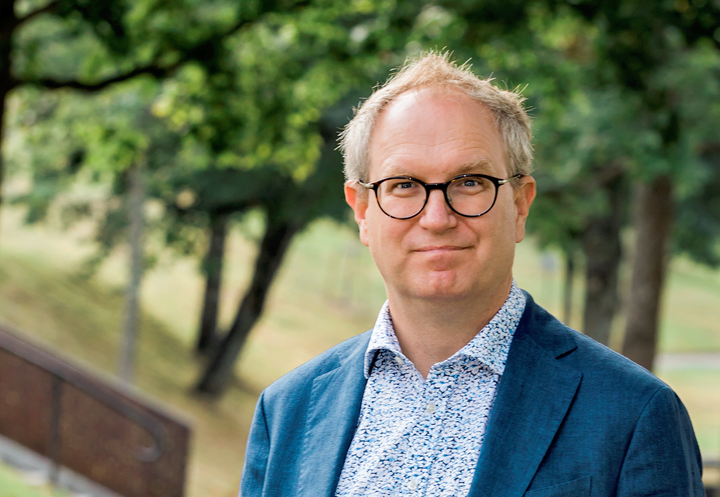
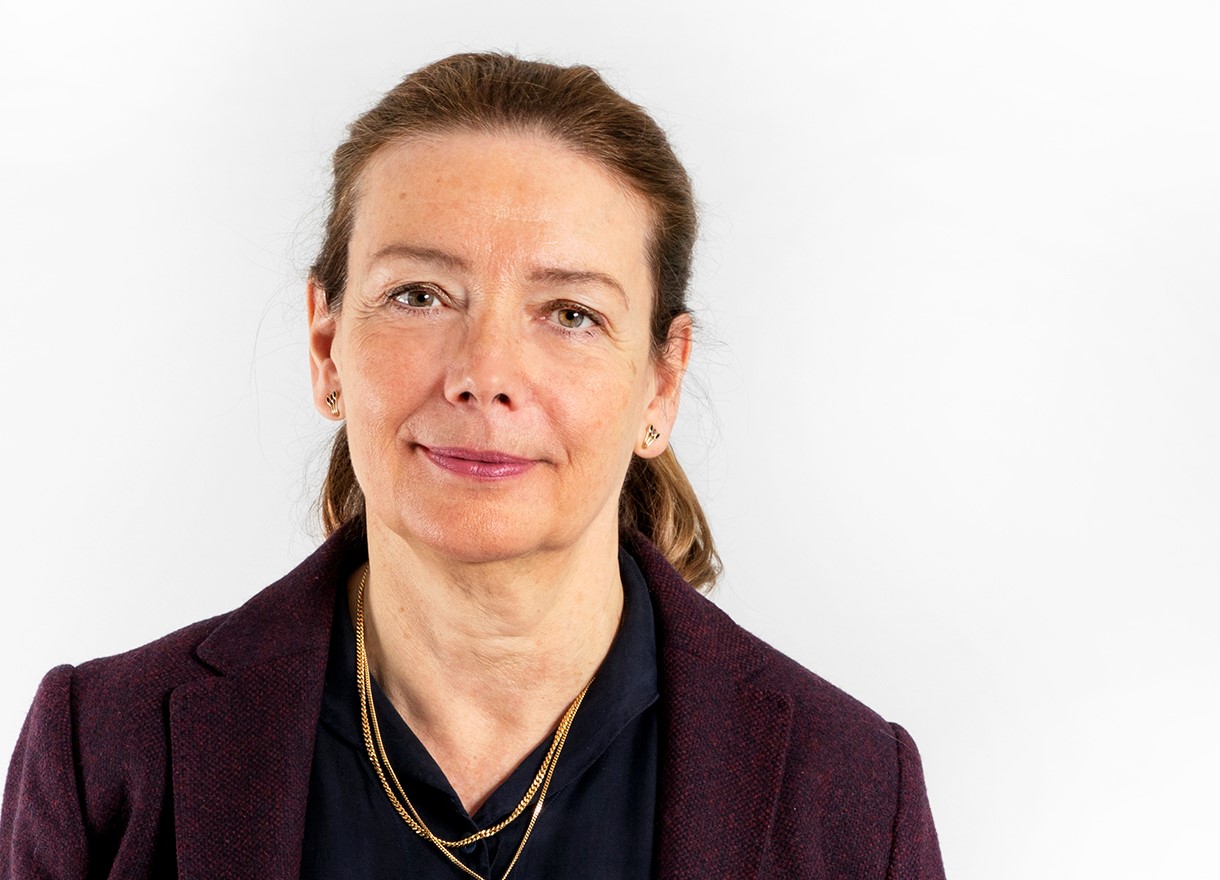
Fredrik Malmberg has been appointed the new Director of the Swedish Institute for Human Rights. He has extensive experience of working with human rights both in Sweden and abroad.
Fredrik Malmberg currently serves as Director-General of the National Agency for Special Needs Education and Schools and prior to that spent eight years as a Children's Ombudsman.
“The task of monitoring and contributing to the upholding of human rights in Sweden is both important and urgent. I am pleased and proud to have been entrusted with the leadership of the Institute for Human Rights and look forward to continuing to develop the new agency together with the Board and staff,” he says.
The Institute for Human Rights was established on 1st January 2022 following a parliamentary decision. It will operate in accordance with the Paris Principles, which are the international standard for national human rights institutions. The Institute will promote the safeguarding of human rights in Sweden based on the constitution and Sweden's obligations under international law in the field of human rights. The Institute shall, from a holistic perspective, contribute to an overall picture of the human rights situation in Sweden.
The Institute also has a special role in promoting, protecting and monitoring the implementation of the Convention on the Rights of Persons with Disabilities (CRPD).
Extensive experience in human rights work
Fredrik Malmberg will take up the post of Director on 20 January 2023. He will take over from Anders Kompass, who has been Acting Director since the Institute was established.
As Director-General of the National Agency for Special Needs Education, Fredrik Malmberg has been involved in issues related to the rights of people with disabilities. In his role as Children's Ombudsman, he worked broadly to promote a wide range of rights for children and young people. He has also served on the board of the EU Agency for Fundamental Rights and has previously worked for Save the Children in Sweden, Africa and Asia.
“One of the most important roles of the Institute for Human Rights is to contribute knowledge and advice that will lead to the upholding of human rights in law and practice. By monitoring, investigating and reporting on developments in Sweden, we will identify and draw attention to areas where the state needs to do more to secure the human rights of individuals,” says Fredrik Malmberg.
The Paris Principles state that a human rights institution should have as broad a mandate as possible. The mandate should be clearly formulated and set out in the constitution or other legislation.
Independent by law
A national human rights institution shall also be in a strong position to carry out its mission by guaranteeing its independence, in particular from the government. In Sweden, this independence is laid down in the Act (2021:642) on the Institute for Human Rights.
The Director is appointed by the board for a term of six years. Recruitment of the permanent director started in the spring.
“The Board is very pleased to be able to appoint as Director someone with extensive experience both in human rights work and in the management and development of public activities. His experience and expertise will be a great asset to the Institute, not least in times of unrest and conflict when human rights are particularly vulnerable,” says Elisabeth Rynning, Chair of the Board.
“At the same time, we are very grateful that Anders Kompass, with his tremendous authority and credibility on human rights issues, agreed to take on the role of Acting Director during the Institute's first year. His knowledge and dedication have contributed greatly to giving the Institute such a great foundation.”
The main focus for the Institute in 2022 has been on building a good platform for operations, and engaging in various dialogues with e.g. civil society actors. By 1 April each year, the Institute must submit a report to the Government on the development of human rights in Sweden. The report must contain an analysis and proposals for measures needed to ensure human rights.
FACTS/Institute for Human Rights
The Institute for Human Rights monitors, investigates and reports on how human rights are respected and realised in Sweden. The Institute also promotes education, research and skills development in the field of human rights.
- The Board shall consist of the Director and seven other members. The Board appoints a Chair and a Vice Chair from among its members. The other members are appointed by the Government for a period of five years. How the Board is appointed is regulated in the Act (2021:642) on the Institute for Human Rights.
- According to the Act, the Agency shall also have a Council appointed by the Board. The Council is intended to provide the Institute with knowledge and experience from civil society and other actors working with human rights. Work to establish the Council is ongoing and is expected to be completed in 2023.
- The Government and the Parliament (Riksdag) will decide on funding, but the Institute will decide on its own organisation and the focus of its work.
FACTS/Paris Principles
The Paris Principles on national human rights institutions was formulated in Paris in 1991 at an international working meeting of experts in the field in cooperation with the UN Human Rights Office. Read the Paris Principles in full on the UN website.
In August 2021, 86 of the world's countries were deemed to have national human rights institutions that fully comply with the Paris Principles. Link to more information on the situation in different countries.
Keywords
Contacts
Presstjänsten
Tel:046 287 39 99press@mrinstitutet.seImages
About Institutet för mänskliga rättigheter
 Institutet för mänskliga rättigheter
Mobilvägen 10
223 62 Lund
046 – 287 39 00http://www.mrinstitutet.se
Institutet för mänskliga rättigheter ska främja säkerställandet av de mänskliga rättigheterna i Sverige. Institutet ska även fullgöra de uppgifter som en oberoende nationell mekanism har enligt konventionen om rättigheter för personer med funktionsnedsättning.
Subscribe to releases from Institutet för mänskliga rättigheter
Subscribe to all the latest releases from Institutet för mänskliga rättigheter by registering your e-mail address below. You can unsubscribe at any time.
Latest releases from Institutet för mänskliga rättigheter
Ny årsrapport: svårt få upprättelse när mänskliga rättigheter kränks24.3.2026 07:00:00 CET | Pressmeddelande
Grundläggande mänskliga rättigheter riskerar att urholkas i Sverige. Samtidigt saknas inte sällan fungerande vägar att få upprättelse när rättigheter kränks. Det visar Institutet för mänskliga rättigheters årsrapport som i dag lämnas till regering och riksdag. – Vår årsrapport visar att grundläggande rättigheter inte respekteras för alla i Sverige och att det finns situationer då det är svårt att utkräva ansvar och få upprättelse om man utsätts för allvarliga människorättskränkningar. Det är allvarligt eftersom rättigheter utan fungerande och tillgängliga vägar till prövning och upprättelse förlorar sin betydelse. Det gör också att rättighetskränkningar som till exempel hatbrott mot minoriteter eller våld mot barn på statliga ungdomshem kan fortgå utan åtgärder, säger Fredrik Malmberg, direktör för Institutet för mänskliga rättigheter. Vi varnar för tilltagande brister i lagstiftningsprocessen I årsrapporten beskriver vi hur lagar byggs på allt svagare grund och att kvaliteten i lagsti
Ny granskning avslöjar: Barn och unga hålls kvar godtyckligt på SiS ungdomshem4.2.2026 07:00:00 CET | Pressmeddelande
Barn och unga hålls frihetsberövade på SiS ungdomshem trots att de är utskrivningsklara. En ny granskning från Institutet för mänskliga rättigheter visar att upp till vart sjätte barn kan bli kvar i låsta miljöer långt efter att deras behov av låst vård har upphört, i strid med mänskliga rättigheter. – Det är en allvarlig rättighetsinskränkning att barn och unga som tvångsvårdas på SiS ungdomshem med stöd av LVU, blir kvar frihetsberövade långt efter att behovet av denna form av institutionsvård har upphört. Vi vet att långa placeringar i låsta miljöer är mycket skadliga för barns hälsa och utveckling samt försvårar den sociala återanpassningen. Barnen och ungdomarna vi har träffat har fått mycket begränsad och ibland felaktig information om situationen de befinner sig i, säger Fredrik Malmberg, direktör Institutet för mänskliga rättigheter. Vart sjätte barn väntar på att få lämna ungdomshemmen Vid flera tillfällen de senaste åren har runt 70 utskrivningsklara barn och unga, det vill s
FN-granskningar och människorättsförsvarare i fokus på MR-dagarna1.12.2025 07:30:00 CET | Pressmeddelande
Sverige har i år granskats två gånger inom FN-systemet – något som präglar Institutet för mänskliga rättigheters program på Mänskliga Rättighetsdagarna i Stockholm den 9–10 december. Institutet har även bjudit in FN:s specialrapportör för människorättsförsvarare, Mary Lawlor, som reflekterar över situationen i Sverige och presenterar den senaste globala utvecklingen för människorättsförsvarare. Välkommen att besöka oss i monter B:22 i Kistamässan där du hittar information om mänskliga rättigheter och ett urval av våra senaste rapporter. Institutet för mänskliga rättigheter anordnar också fyra olika seminarier: Miniseminarium: Vad innebär FN-granskningen för Sveriges arbete med mänskliga rättigheter? Tisdag 9 december klockan 11.00 –11.25 Scen: Rosa scenen Medverkande: Linde Lindkvist och Cecilia Sandqvist Institutet för mänskliga rättigheter, och Charlotta Göller, MR-fonden Rasism, diskriminering, urfolksrättigheter, våld mot kvinnor, migranters och barns rättigheter samt människohande
FN granskar Sverige för rasdiskriminering – många vittnar om ett försämrat läge18.11.2025 07:00:00 CET | Pressmeddelande
Många som utsätts för rasism i Sverige i dag upplever en allt sämre situation. Det visar en ny rapport från Institutet för mänskliga rättigheter, som presenteras i samband med att FN:s rasdiskrimineringskommitté granskar Sverige den 20-21 november. – Rasismen är en del av väldigt många människors vardag i Sverige. Det handlar om hatbrott som inte utreds, offentliga samtal och debatter där rasistiska uttryck är alltmer normaliserade och en skolvardag där barn och unga får utstå rasistiska trakasserier och glåpord. Vi har träffat olika grupper som alla säger samma sak: rasismen har blivit normaliserad i Sverige och situationen är sämre än när Sverige senast granskades av FN år 2018, säger Fredrik Malmberg, direktör vid Institutet för mänskliga rättigheter. Svårt att få upprättelse vid hatbrott Ett återkommande tema i våra dialoger är svårigheten att få upprättelse efter att ha anmält hatbrott. Detta gäller även i fall där tydliga bevis har lagts fram för polisen. Många väljer därför att
Sverige accepterar 203 av 315 FN-rekommendationer om mänskliga rättigheter25.9.2025 07:00:00 CEST | Pressmeddelande
I maj 2025 granskades Sverige inom Universal Periodic Review (UPR), en FN-process där alla medlemsländer regelbundet utvärderas för hur de uppfyller de mänskliga rättigheterna. Idag antog Sverige officiellt 203 av de 315 rekommendationer som landet fick av andra stater i granskningen – ett viktigt steg i arbetet för att stärka respekten för mänskliga rättigheter. Samtidigt återstår frågor där Sverige endast delvis accepterat eller noterat rekommendationer, bland annat om en ny nationell strategi och flera åtaganden kring barns och urfolks rättigheter. – Vi välkomnar rekommendationerna till Sverige och att regeringen har accepterat rekommendationer om frågor som rör hatpropaganda, hatbrott och diskriminering. Samtidigt är det beklagligt att andra centrala rekommendationer endast delvis accepterats eller noterats, säger Fredrik Malmberg, direktör vid Institutet för mänskliga rättigheter. En central fråga är rekommendationen att ta fram en ny strategi för mänskliga rättigheter. Den nuvara
In our pressroom you can read all our latest releases, find our press contacts, images, documents and other relevant information about us.
Visit our pressroom